
In Missouri, sophisticated spam calls impersonating government agencies or companies are common. To combat this, consumers should:
- Be vigilant against unknown callers with blocked or foreign area codes.
- Avoid sharing personal or financial details unless the caller's identity is verified independently.
- Report spam calls to the FTC and local attorney general's office for tracking and potential penalties.
- Implement robust device security measures, adjust online privacy settings, and avoid public posting of sensitive information.
- Block numbers using built-in features or apps, register with the National Do Not Call Registry, and never engage with suspicious calls.
- Document interactions and consider legal action if initial efforts to stop spam calls fail, leveraging Missouri's telemarketing laws and FTC guidelines.
Spam calls and scams are a pervasive issue, particularly in Missouri, where individuals often fall victim to deceptive practices. With the rise of advanced technology, scammers have found new ways to target unsuspecting citizens, making it crucial to understand how to protect yourself. This article provides an authoritative guide on what to do if you've encountered a spam call scam, focusing on practical steps to secure your information and prevent future incidents in Missouri. By following these strategies, you'll gain the knowledge needed to recognize and stop spam calls effectively.
Recognize Spam Calls: Understand Common Scams in Missouri

In Missouri, as across the nation, spam calls have evolved into sophisticated scams, leveraging advanced technology to target consumers. Recognizing these calls is the first step towards protection. Common scams often involve impersonation of government agencies, financial institutions, or even local utilities, with callers claiming emergencies or urgent matters to gain your trust and access personal information. For instance, scammers may pose as IRS agents demanding immediate payment for back taxes, or claim to be from your bank, urging you to verify account details over the phone.
Understanding these tactics is crucial in Missouri, where a 2022 report by the Federal Trade Commission (FTC) revealed that residents here received nearly 57 million spam calls—an average of 160 per person. To stop spam calls Missouri naturally, you must be vigilant. Look out for unknown callers, especially those using blocked or foreign area codes. Scammers often use voice over IP (VoIP) services to mask their numbers. Be wary of urgent requests for personal information or financial details, and never disclose these under any circumstances.
Additionally, be cautious with incoming text messages containing suspicious links or asking for your bank account details. Verify the sender's identity through official channels before responding. Reporting spam calls is another effective way to combat this issue. Most Missouri phone service providers offer tools to block callers, and you can also register for the National Do Not Call Registry. By combining awareness, technology, and proactive measures, residents of Missouri can significantly reduce their chances of becoming victims of these fraudulent scams.
Document and Report: Keep Records for How to Stop Spam Calls Missouri

As a victim of a spam call scam, documenting and reporting your experience is crucial in Missouri. The first step involves keeping detailed records of each incident, including the caller's phone number, the date and time of the call, any specific messages or demands made, and notes on how you responded. These records serve as vital evidence when filing a report with relevant authorities. Additionally, save any text messages, emails, or voicemails associated with the scam attempt for future reference.
In Missouri, you can report spam calls to the Federal Trade Commission (FTC) through their Do Not Call registry or contact your local attorney general's office for further assistance. When filing a report, provide as much information as possible from your documentation. This process helps law enforcement agencies track and combat these fraudulent activities, potentially leading to stricter regulations and penalties for spammers targeting Missouri residents.
How to Stop Spam Calls Missouri is not merely about defense; it's an active step towards protecting yourself and your community. By reporting these incidents, you contribute to a broader effort to disrupt scam operations and raise awareness among fellow citizens. Remember, collective action against spam calls can significantly reduce their impact and help create a safer digital environment for all Missourians.
Protect Your Personal Information: Safeguard Against Data Theft

As a victim of a spam call scam in Missouri, protecting your personal information is paramount to safeguard against data theft. Scammers often use sophisticated tactics to extract sensitive details, so it's crucial to be vigilant and proactive. One effective strategy is to never disclose private information unless absolutely necessary. For instance, if a caller claims to be from a government agency or a familiar company, verify their identity through independent channels—official websites, trusted contacts, or by calling back using a verified number.
How to Stop Spam Calls Missouri involves implementing robust security measures on your devices. Regularly update operating systems and applications with the latest security patches. Use strong, unique passwords for each account and enable two-factor authentication where available. Additionally, consider installing reputable anti-spam software tailored for mobile devices and computers. These tools can block or filter calls from known scammer numbers, significantly reducing the risk of falling victim to such schemes.
Furthermore, be cautious when sharing information online. Scammers mine social media platforms for personal details, so adjust privacy settings accordingly. Refrain from posting sensitive data like full birthdates, addresses, or Social Security numbers publicly. Instead, use generic responses or creative alternatives when asked for personal information during interactions, especially over the phone. By adopting these precautions, you significantly enhance your defenses against spam call scams in Missouri and protect your valuable data.
Block and Avoid: Techniques to Prevent Future Spam Calls
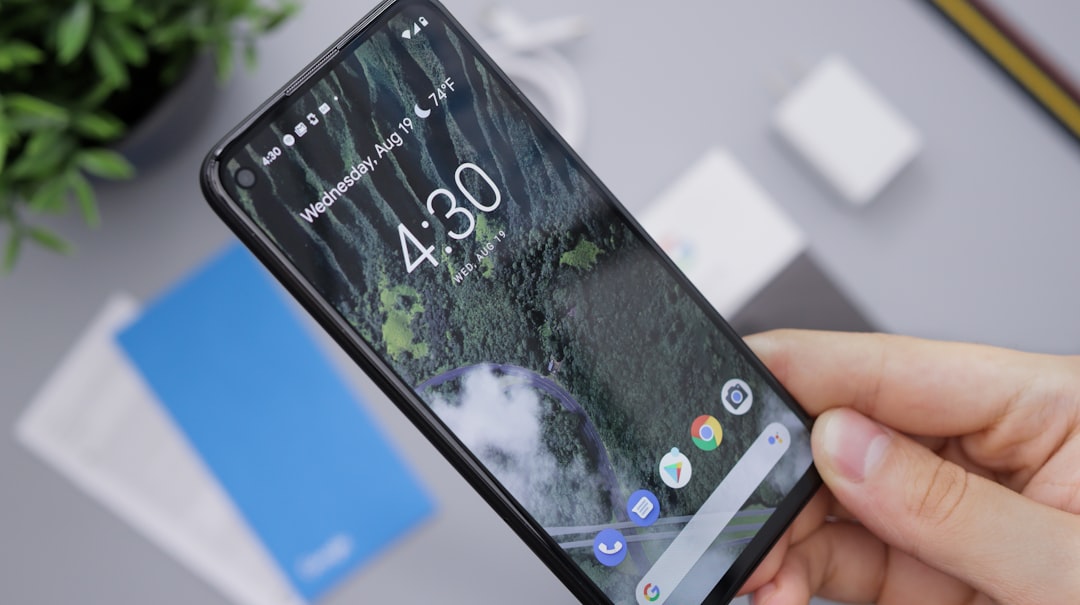
If you've fallen victim to a spam call scam in Missouri, the first step is to stay calm and take immediate action. One of the most effective strategies to prevent future spam calls is to block and avoid these unwanted intruders. In Missouri, as across the nation, phone scammers often exploit loopholes in telecommunications regulations. They use automated systems to make mass calls, hoping to catch a few people unaware. However, you can arm yourself against these tactics with simple yet powerful tools.
Start by blocking the number on your device. Most smartphones have built-in call blocking features that allow you to prevent specific numbers from calling or sending texts. You can also use third-party apps designed specifically for blocking spam calls Missouri residents commonly receive. These apps learn and adapt, identifying and filtering out known scammer numbers. Additionally, consider registering with the National Do Not Call Registry. While it doesn't guarantee a stop to all spam calls, it's a legal right that can help reduce their frequency.
To further protect yourself, avoid engaging with any suspicious callers. Never provide personal or financial information over the phone unless you've initiated the call and are certain of the party on the other line. Scammers often pose as representatives from legitimate organizations to trick you into revealing sensitive data. Instead, hang up immediately and do not return the call. Report spam calls to your service provider and local law enforcement to help them track and penalize these persistent criminals. By adopting these blocking and avoidance techniques, you can significantly reduce your chances of becoming a victim of future spam call scams in Missouri.
Legal Action: Rights and Resources for Victims of Scam Calls

As a victim of a spam call scam in Missouri, understanding your legal rights and available resources is crucial to recovering from this deceptive practice. In Missouri, telemarketing laws are designed to protect residents from unsolicited calls, including those that qualify as scams. According to the Missouri Attorney General's Office, consumers have the right to refuse calls and request exclusion from certain marketing lists. If you've been a target of fraudulent activity, document all interactions with these calls, noting dates, times, and any specific details about the scammer's tactics.
Should your efforts to stop spam calls Missouri prove ineffective, legal action may be warranted. Many states, including Missouri, have enacted laws that permit individuals to take civil action against scammers. This can include seeking damages for emotional distress or actual losses incurred as a result of the scam. Additionally, the Federal Trade Commission (FTC) offers guidelines and support for victims of telemarketing fraud, providing a framework for potential legal recourse. It's essential to consult with an attorney specializing in consumer protection law to explore options tailored to your situation.
To enhance your protections, consider registering with the National Do Not Call Registry, which can help curb unwanted calls nationwide. Missouri residents should also familiarize themselves with local regulations and reporting mechanisms for telemarketing scams. By combining proactive measures like registration with informed legal steps, victims can actively contribute to deterring spam call scams and reclaiming their peace of mind. Remember, how to stop spam calls Missouri involves a multi-faceted approach that includes both personal vigilance and the utilization of established legal frameworks.